Exhibition
Dec. 01, 2025
PVC flooring has become one of the most widely used and versatile flooring materials in homes, commercial buildings, and public spaces. If you are wondering What is PVC Flooring, the short answer is: it is a synthetic, multi-layered flooring material made primarily from polyvinyl chloride, engineered to be waterproof, durable, comfortable underfoot, and highly cost-effective. Because of its stability and wide range of applications, PVC flooring has grown into a global market worth billions of dollars, and adoption continues to rise due to its performance advantages and design flexibility.

PVC flooring—also known as polyvinyl chloride flooring—is a modern, engineered floor covering made from a combination of PVC resins, plasticizers, stabilizers, and a fiberglass or vinyl core. The structure generally includes multiple layers: a wear-resistant coating, a decorative layer, a PVC middle layer, and a stabilizing backing layer. Together, these layers create a floor that is waterproof, resilient, and suitable for both residential and commercial environments.
PVC flooring became especially popular after 2018 as consumers began prioritizing low-maintenance, waterproof materials for kitchens, bathrooms, basements, and high-traffic areas. According to global flooring industry data, PVC-based products (including LVT, SPC, and WPC) account for more than 40% of the worldwide resilient flooring market.
PVC flooring is engineered for long-term use. High-quality wear layers (0.3 mm–0.7 mm) provide scratch resistance and improved performance in high-traffic environments. When properly maintained, PVC flooring typically lasts 10–20 years, and premium commercial-grade products can last even longer.
PVC flooring is 100% waterproof, making it ideal for kitchens, bathrooms, laundry rooms, and basements. This is one of the major reasons it surpassed laminate and hardwood in many markets.
The multi-layered structure gives PVC flooring better elasticity and underfoot comfort than tile or stone. Many products include a sound-absorbing backing that reduces noise—an advantage in apartment buildings, schools, and kids’ rooms.
Modern PVC flooring is available in low-VOC and phthalate-free versions. These products meet strict indoor air quality standards such as FloorScore or EN 14372. Families with children and pets often choose PVC flooring because it is slip-resistant, cushioned, and easy to clean.
PVC floors require only basic sweeping and occasional mop cleaning. They are resistant to stains, mold, and wear, making them ideal for busy households and commercial spaces.
PVC flooring typically costs $2–$8 per square foot, depending on type, thickness, and installation method. Compared with hardwood or tile, PVC provides a significantly lower total cost of ownership.
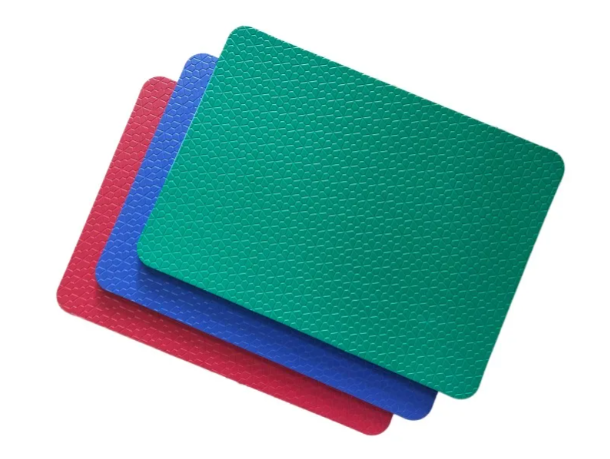
Designed to mimic wood, vinyl plank PVC flooring offers realistic texture and grain patterns. It is commonly used in living rooms, bedrooms, and commercial offices.
A continuous sheet material that creates a seamless waterproof surface—ideal for hospitals, laboratories, bathrooms, and kitchens.
Luxury PVC flooring features enhanced texture, embossing, and superior wear layers. It competes directly with premium laminate and engineered wood flooring.
Used in malls, schools, medical centers, and supermarkets. It features enhanced wear resistance and higher fire-retardant performance.
Waterproof and anti-slip properties make it one of the safest choices for wet environments.
Soft, cushioned, noise-reducing, and easy to clean—an ideal choice for families with young children.
| Flooring Type | Key Characteristics | Advantages | Limitations | Comparison with PVC Flooring |
|---|---|---|---|---|
| Vinyl Flooring | Sub-type of PVC, comes in sheet, plank, or tile | Waterproof, durable, low maintenance | Fewer design variations than full PVC category | PVC is the broader category with more types and customization options |
| Laminate Flooring | Made of composite wood with a printed layer | Affordable, realistic wood look | Not waterproof, swells in moisture | PVC is fully waterproof and better suited for humid areas |
| SPC Flooring | Stone Plastic Composite, rigid core | Highly dent-resistant, stable | Harder and less comfortable underfoot | PVC is softer, quieter, and more comfortable |
| Tile Flooring | Ceramic, porcelain, or natural stone | Extremely durable, scratch-resistant | Cold, hard, noisy, harder to install | PVC is warmer, quieter, and easier to install |
| Hardwood Flooring | Solid or engineered wood | Luxurious, natural wood appearance | Expensive, vulnerable to water and humidity | PVC is more budget-friendly and practical for everyday use |
Kitchen: waterproof PVC plank or sheet
Bathroom: seamless PVC sheet flooring
Living Room: luxury PVC planks
Kids’ Room: cushioned PVC flooring with noise absorption
Residential: 0.3–0.5 mm
Commercial: 0.5–0.7 mm or above
Look for FloorScore, GreenGuard, EN-certified products.
Thicker wear layers and better designs increase cost but enhance longevity.
PVC flooring is compatible with most underfloor heating systems due to its dimensional stability.
PVC planks commonly use click-lock systems that allow homeowners to install them without glue or nails.
Surface must be dry, level, and clean to prevent bumps or uneven areas.
Click-lock: easier, suitable for DIY
Glue-down: more stable, preferred for commercial spaces
Installing over uneven subfloors
Skipping expansion gaps
Not allowing the flooring to acclimate before installation
Daily Cleaning: Sweep or vacuum regularly to remove dust, dirt, and pet hair that could scratch the surface.
Long-Term Maintenance: Use mild, pH-neutral cleaning agents and avoid abrasive tools or harsh chemicals to protect the wear layer.
Repairing Scratches or Damage: Light scratches can often be polished out, while severely damaged planks or tiles can be replaced individually without affecting the rest of the floor.
Extending Lifespan: Place felt pads under furniture, lift heavy items instead of dragging, use doormats to reduce dirt, and maintain stable indoor humidity to prevent expansion or contraction.
Modern manufacturing significantly reduces VOC emissions. Certified low-VOC PVC flooring is safe for indoor use.
PVC products that pass FloorScore/EN 14041 standards maintain healthy indoor air quality.
Soft, low-emission PVC flooring is ideal for play areas and pet zones.
PVC flooring can be recycled into new materials, reducing environmental footprint.
PVC flooring is actually a broad category of resilient flooring, while vinyl is a specific type within that category. Vinyl planks or sheets are made from PVC but represent just one style or format. Choosing between them depends on your needs—PVC offers a wider variety of textures, thicknesses, and installation options, making it more versatile for different spaces.
Yes, high-quality PVC flooring can last anywhere from 10 to 20 years, depending on the wear layer thickness, installation quality, and level of foot traffic. Commercial-grade PVC floors may even last longer. Proper care and maintenance, like regular cleaning and avoiding excessive moisture, can significantly extend the floor’s lifespan.
PVC flooring can handle minor unevenness, especially with click-lock planks or flexible sheet options. However, large bumps or dips in the subfloor should be leveled first to prevent issues like gaps, buckling, or premature wear. Ensuring a smooth, stable surface will help your PVC floor perform at its best.
Absolutely. PVC flooring is soft underfoot, cushioned, and slip-resistant, making it safe for children’s play areas and pets. It is also easy to clean and resistant to stains and spills, which is ideal for busy households. Additionally, low-VOC PVC options help maintain a healthy indoor environment.
Yes, most PVC flooring products are compatible with underfloor heating systems. Its dimensional stability allows the material to expand and contract slightly without warping. Always check that the specific product is rated for use with heating systems to ensure optimal performance and safety.
PVC flooring combines waterproof performance, durability, comfort, affordability, and versatile design, making it an ideal choice for home renovations, commercial upgrades, or family-friendly spaces. For high-quality solutions, Hebei Lanshuo New Materials Co., Ltd. offers not only premium PVC flooring but also a range of other products, including PVC sports floors, interlocking tiles, artificial turf, rubber flooring, and WPC, providing comprehensive options for any flooring project.

The wood-grain sports flooring adds a natural and warm atmosphere to the venue. It has excellent elasticity, which can absorb shock, prevent falls and protect joints.

Shock Absorption and Non-Slip Surface: Our rubber floor tiles provide excellent shock absorption and a non-slip surface, reducing the risk of injuries and ensuring a secure workout experience.

WPC flooring is made by mixing natural plant fibers such as wood fibers and bamboo fibers with plastics (such as polyethylene, polypropylene, etc.) through a special process and then extruding them into shape.

Rubber floor mats are a common material used for laying the floors of home and commercial gyms, and they have multiple advantages. They are highly safe. Rubber floor mats have excellent anti-slip properties, which can effectively prevent people from slipping and getting injured.

This product adopts one-off extrusion without yarn twisting process,all the grass are covered by protecting resilient yarn, which can prevent the grass yarn touch with outside and reduce the friction between the grass yarn and the pipeline when tufting, in this way it can totally save the integrality of the grass yarn

The Dynamic Stride series of flooring is specifically designed for various outdoor sports application scenarios and is suitable for all kinds of courts.

The crystal sand patterned floor specially designed for badminton. Its unique texture provides super strong grip, enabling players to move, jump and turn quickly. With excellent anti-slip performance, it ensures sports safety.

The Float Floor series of flooring features a grip - top design. This design creates a safe, durable, and high - performance surface tailored for outdoor sports.